
In music, silence is just as meaningful as sound. This is where music rest symbols come into play. Rests are not mere pauses; they are integral to the structure, rhythm, and emotional flow of a musical piece. While notes show musicians when and what to play, rest symbols indicate when to remain silent—and for how long. Just like different notes represent different durations of sound, each rest symbol represents a specific duration of silence. Mastering these symbols is essential for performers, composers, and anyone learning to read sheet music. Whether you’re a beginner decoding your first piano piece or an experienced musician aiming to tighten your rhythm, understanding rest symbols helps improve timing, precision, and musicality. In this guide, we will explore all the essential types of rest symbols used in written music, break down their meanings, and show how they function in various musical contexts.
What Are Music Rest Symbols?
Music rest symbols are notational signs used to indicate a silence or pause in a piece of music. Each rest corresponds to a specific note value and tells the performer exactly how long they should remain silent. In other words, rests are the visual representation of musical silence. Without rests, music would become a chaotic string of uninterrupted notes with no room to breathe. Rests contribute to phrasing, rhythm, and the overall dynamics of a composition.
Just as musical notes vary in duration (whole, half, quarter, etc.), rest symbols do too. They mirror their note counterparts in length: a quarter rest lasts as long as a quarter note, an eighth rest matches an eighth note, and so on. These rests are placed on the staff in specific positions, and each has its own unique shape, making them easily distinguishable once learned. Understanding how to read and interpret rest symbols is foundational for accurate rhythm and clean musical expression.
>>View more: List 99+ Music Symbols and Their Functions
Types of Rest Symbols
Whole Rest
The whole rest looks like a small, solid rectangle hanging from the fourth line of the staff. It represents a full measure of silence in most time signatures, particularly in 4/4. Even in different time signatures, the whole rest is often used to indicate an entire measure’s rest, regardless of the number of beats. For instance, in 3/4 time, a whole rest still covers all three beats in that measure.
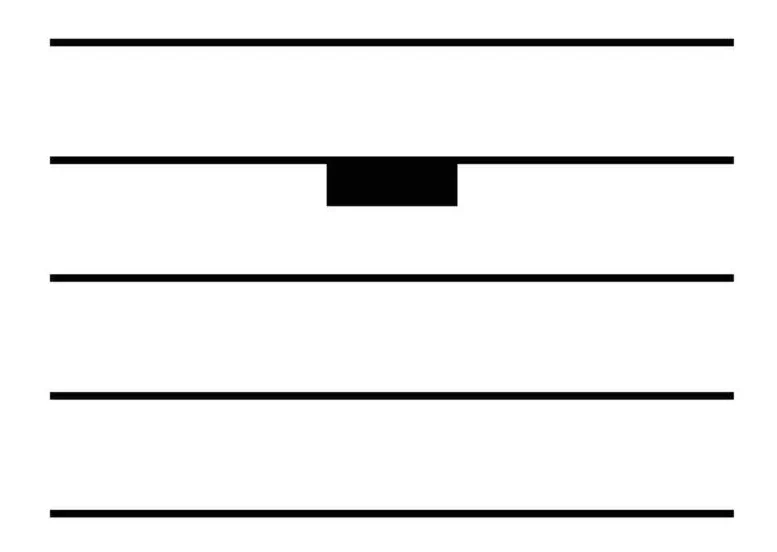
What sets the whole rest apart is its versatility. It can also be used in multi-measure rests or when composers want to signal a full-bar silence for all instruments. For ensemble or orchestral music, this rest often appears frequently in accompanying parts. Musicians must count these measures carefully to re-enter at the correct time. Because of its straightforward meaning and easily recognizable symbol, the whole rest is one of the most important rest types to learn early in your musical journey.
Half Rest
The half rest is similar in appearance to the whole rest but sits on top of the third line of the staff, rather than hanging from the fourth. It represents a silence that lasts for two beats in 4/4 time. In a sense, it’s the “half-sound” of silence—complementing the half note, which also spans two beats.

It’s crucial not to confuse the half rest with the whole rest due to their similar shapes. A helpful tip: the whole rest “hangs down,” indicating it can hold more weight (4 beats), while the half rest “sits up” and holds less (2 beats). Half rests are commonly seen in slower tempos or as part of rhythmic combinations. In compound meters like 6/8, the half rest may serve more specific purposes and should be interpreted according to context. Accurate recognition of half rests ensures proper rhythm and balance, especially in ensemble playing where timing between sections is key.
Quarter Rest
The quarter rest is perhaps the most frequently encountered rest in beginner sheet music. It resembles a squiggly vertical line or a stylized “Z” stacked above a “C” in some fonts. This symbol represents one beat of silence in 4/4 time and corresponds directly to the quarter note.

Because many musical pieces, especially at the beginner and intermediate levels, use 4/4 time, quarter rests appear regularly. They’re used to create rhythmic variety and are especially effective in syncopated rhythms, where notes and rests alternate to shift the emphasis away from the downbeat. When sight-reading, the quarter rest symbol demands just as much attention as a note—it’s a precise beat of silence, not a vague pause. Some variations in handwritten music or older scores may appear different, so developing fluency with this symbol in various styles helps musicians stay accurate in performance.
Eighth Rest
The eighth rest symbol has a sleek, modern look: a single slanted line with a small hook or flag at the top. It represents half a beat of silence in 4/4 time and corresponds to the eighth note. This means that two eighth rests—or an eighth note plus an eighth rest—equal one quarter beat together.
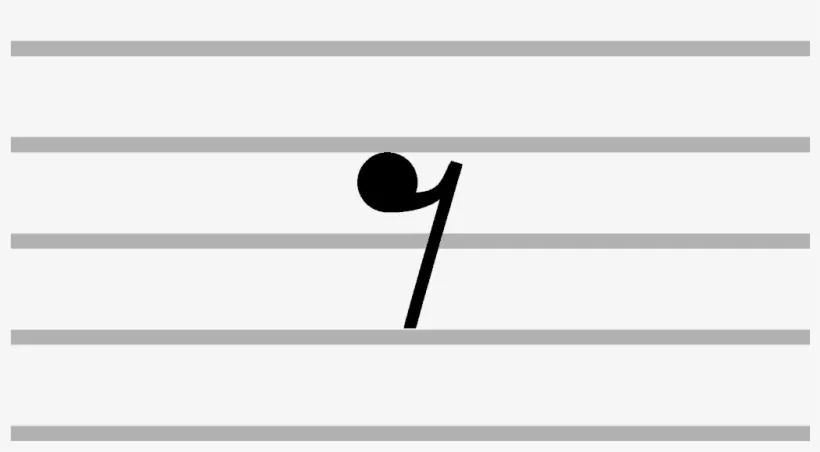
Eighth rests play a vital role in more rhythmically complex music. They often appear in syncopation, jazz phrasing, or quick melodies. For drummers and rhythm section players, the precise placement of eighth rests is essential to keep the groove consistent and clean. Reading eighth rests fluently allows musicians to better understand subdivisions of the beat, which is a critical skill in all genres of music. Whether you’re playing classical, pop, or funk, mastering eighth rests improves timing and enhances rhythmic interpretation.
Sixteenth Rest
The sixteenth rest looks like the eighth rest but with two hooks instead of one. It represents a quarter of a beat in 4/4 time. As music gets faster and more intricate, sixteenth rests are used to notate shorter silences, especially within passages that are densely packed with sixteenth notes.

These rests often appear in fast solos, ornamentations, or transitional passages. Because of their brief duration, it’s important not to overlook them. A missed sixteenth rest can throw off the entire rhythm of a phrase. Practicing rhythmic dictation and subdivision exercises helps musicians internalize these small rest values. Visual clarity and rhythmic discipline are crucial when reading sixteenth rests in ensemble music, as even a fraction of a beat off-time can create noticeable discrepancies in performance.
Thirty-second and Sixty-fourth Rests
For advanced players, thirty-second and sixty-fourth rests come into play. The thirty-second rest has three flags or hooks, while the sixty-fourth rest has four. These rests represent extremely short silences—1/8 and 1/16 of a beat in 4/4 time, respectively.

They are rarely used in beginner music but can appear in virtuosic pieces where speed and precision are critical. Think of rapid-fire piano runs, violin cadenzas, or complex percussion patterns. These rests demand acute attention to timing and are often grouped or beamed with notes to aid readability. While not commonly used, learning to recognize them prepares musicians for a broader repertoire and ensures rhythmic literacy at all levels.
Rests and Time Signatures
Time signatures significantly affect how rest symbols are interpreted. In simple time signatures like 4/4 or 3/4, the values of rests directly mirror note durations. However, in compound meters such as 6/8 or 9/8, rest groupings often align with the beat structure (e.g., dotted quarter beats), which can alter how rests are notated and understood.
Additionally, some conventions influence rest placement within measures. For example, in 4/4, two beats of silence are usually notated with a half rest. But in 6/8, a single dotted quarter rest might cover one beat (three eighth notes). Knowing how to group and interpret rests according to the time signature helps with proper phrasing and accurate beat counting. It also ensures clearer communication between the composer and performer, especially in ensemble music. Developing this contextual awareness is essential for both reading and writing music accurately.
Dotted Rests and Multi-measure Rests
Dotted rests are used to extend the duration of a rest by half its original value—just like dotted notes. For instance, a dotted quarter rest lasts 1.5 beats, combining one quarter beat and one eighth beat. These rests often appear in compound or syncopated rhythms where standard durations don’t align neatly with the pulse. Understanding dotted rests is important for interpreting swing rhythms, jazz, and modern classical music.
Multi-measure rests, on the other hand, are typically seen in ensemble or orchestral scores. These rests indicate multiple bars of silence for a player and are usually marked by a horizontal line with a number above it, representing the number of measures to rest. This notation helps declutter sheet music and makes it easier for musicians to track long pauses, especially in rehearsal or performance settings. Both types of rests serve specific functions and are vital tools for clear musical communication.
Visual Summary Chart
Here’s a quick reference chart for common music rest symbols:
| Rest Type | Symbol | Duration (in 4/4) | Corresponding Note |
| Whole Rest | ▮ (hangs down) | 4 beats | Whole Note |
| Half Rest | ▬ (sits up) | 2 beats | Half Note |
| Quarter Rest | 𝄽 or Z/C shape | 1 beat | Quarter Note |
| Eighth Rest | 𝄾 | 1/2 beat | Eighth Note |
| Sixteenth Rest | 𝄿 | 1/4 beat | Sixteenth Note |
| 32nd / 64th Rests | 𝅀 / 𝅁 | 1/8 / 1/16 beat | 32nd / 64th Note |
Use this as a study aid when reviewing new sheet music or practicing rhythmic sight-reading.
Common Mistakes and How to Avoid Them
One of the most frequent mistakes beginners make is confusing the whole rest and the half rest. Remember: the whole rest hangs below the line and is “heavier,” indicating a longer duration. Another common issue is misplacing rest symbols on the staff—though most rests are floating symbols, whole and half rests have specific line placements.

Overlooking rests while reading music can also disrupt rhythm and ensemble timing. Many learners treat rests as pauses to relax rather than active parts of the rhythm. But rests must be counted and felt just like notes. To avoid these errors, practice clapping or tapping rhythms that include rests, use a metronome, and try counting aloud through passages that contain both notes and silences. Becoming rhythmically disciplined with rests improves overall musical precision and expressiveness.
Practice Tips and Application
The best way to master rest symbols is through active engagement. Start with clap-and-count exercises that include various rest types. For example, try clapping quarter notes while counting out loud and pausing exactly during rests. Use simple rhythm apps or online tools to drill subdivisions like eighth and sixteenth rests.
When reading new music, take a moment to scan the page and mark tricky rests in pencil. Practicing with a metronome helps internalize the exact timing of each rest. In ensemble playing, pay extra attention to entrances that come after rests—these are moments where precision matters most. Listening to recordings while following along with sheet music can also reinforce your understanding of when rests occur and how they affect musical phrasing. With consistent practice, reading and interpreting rest symbols becomes second nature.
Understanding music rest symbols is essential for becoming a well-rounded musician. These symbols are not simply gaps in sound—they are structured, intentional silences that shape rhythm, phrasing, and expression. From the basic whole and quarter rests to the more advanced dotted and multi-measure rests, each has a role to play in musical storytelling. By learning how to read, interpret, and practice these rests, you gain greater control over timing and improve your musical fluency. Whether you’re a beginner or a seasoned player, mastering rest symbols will elevate your performance and deepen your appreciation of music’s subtle rhythms and silences.

Evan Carter is an American music educator. With a background in Musicology and over 10 years of experience, he specializes in music theory and notation. Evan creates clear, accessible content to help learners of all levels understand the language of music through symbols, structure, and sound.
